The company said that it produced a total of 451,758 vehicles between April and June of this year, including 442,936 Model 3 and Model Y vehicles, as well as 8,822 “other vehicles” like the Cybertruck and the Tesla Semi. (The company discontinued the Model S and X earlier this year.) That represents about a 10 percent increase compared to the second quarter of 2025, when the company produced 410,244 vehicles.
Tesla also said that it delivered a total of 480,126 vehicles, including 467,762 Model 3 and Model Y vehicles, as well as 12,364 other vehicles — about a 25 percent increase compared to the second quarter of 2025, when it delivered 384,122 vehicles. (For a direct-to-consumer company like Tesla, deliveries are a proxy for sales.)
The report comes as Tesla is battling a string of negative headlines surrounding the safety of its partially automated driving technology. Earlier this month, a woman was killed in her home after a Tesla driver using Full Self-Driving crashed into it. Tesla blamed the driver, but the crash prompted the National Transportation Safety Board to open an investigation. Several days later, it was reported that Tesla quietly settled a lawsuit stemming from another fatal crash involving FSD.
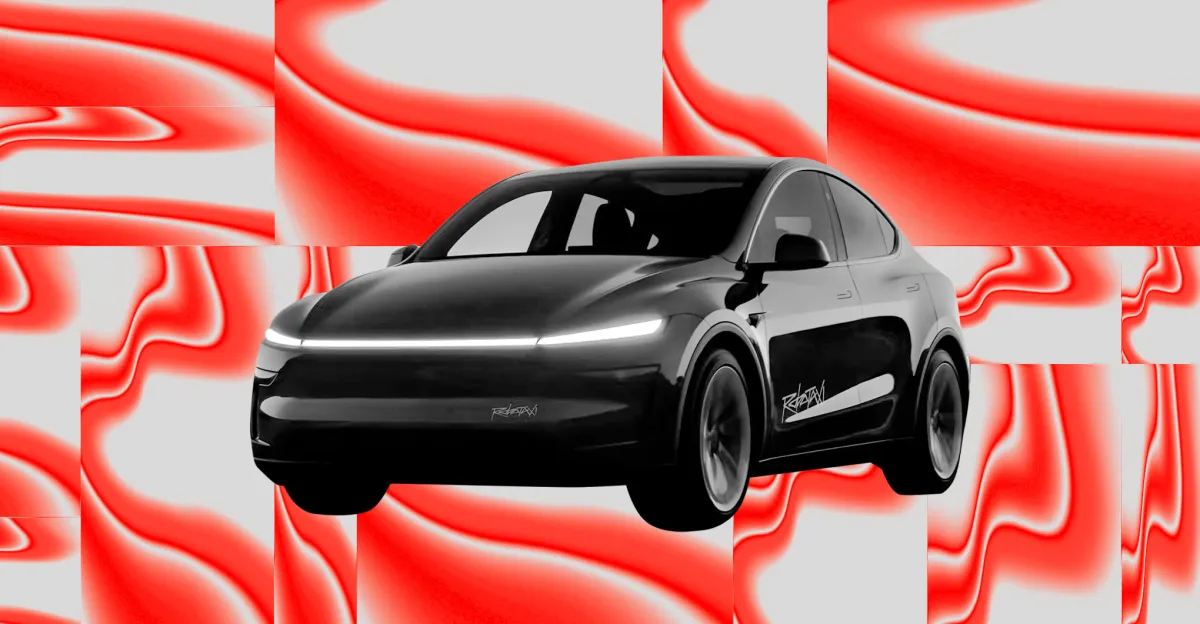
Meanwhile, Tesla’s robotaxi service is operating at a much slower and smaller scale than Elon Musk originally predicted. The service relies on a fleet of approximately 60 to 70 Model Y vehicles operating in a geofenced area in Austin, Houston, and Dallas.
[Notigroup Newsroom in collaboration with other media outlets, with information from the following sources]