





Nvidia CEO Jensen Huang Targeted by Chinese Spy Plot Allegations
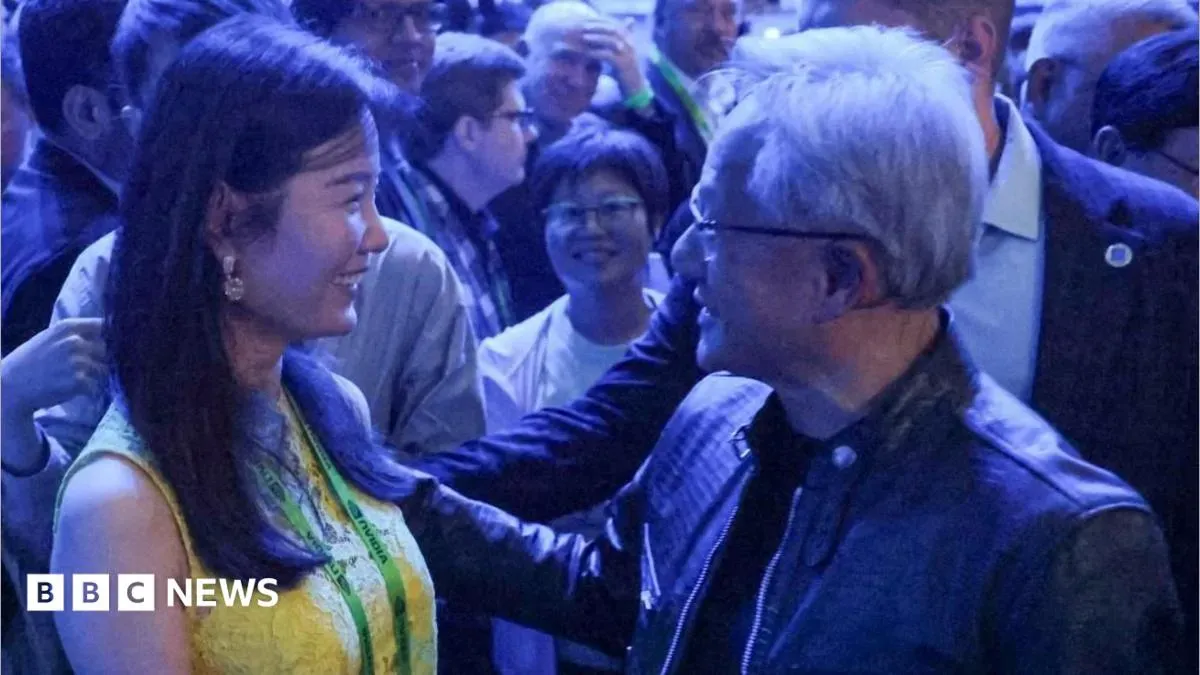
A US government investigation and espionage allegations have been leveled against Nvidia co-founder and CEO Jensen Huang, who has close ties to Singapore-based data center company Megaspeed executive Alice Huang.
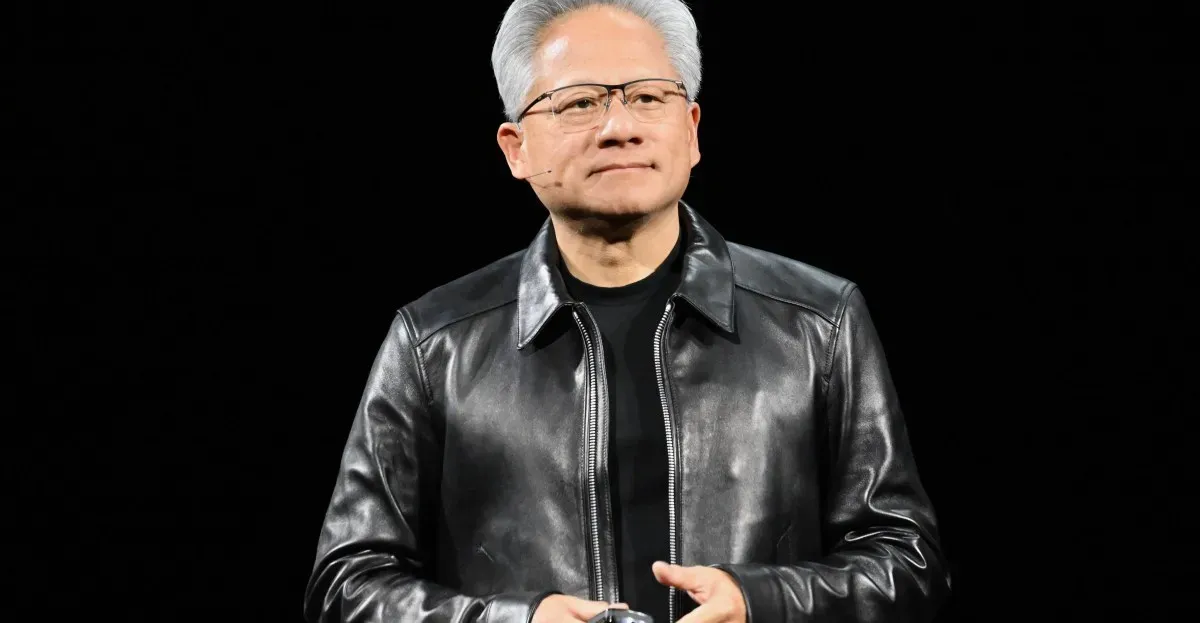
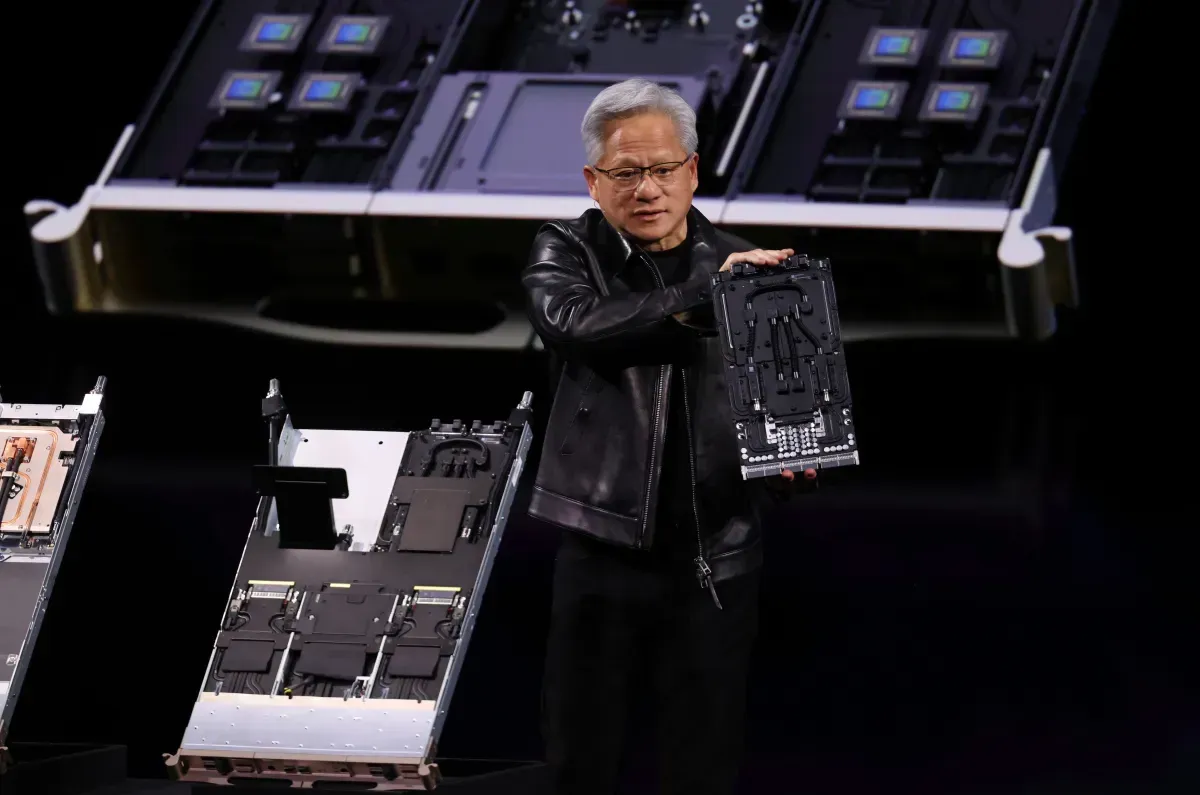
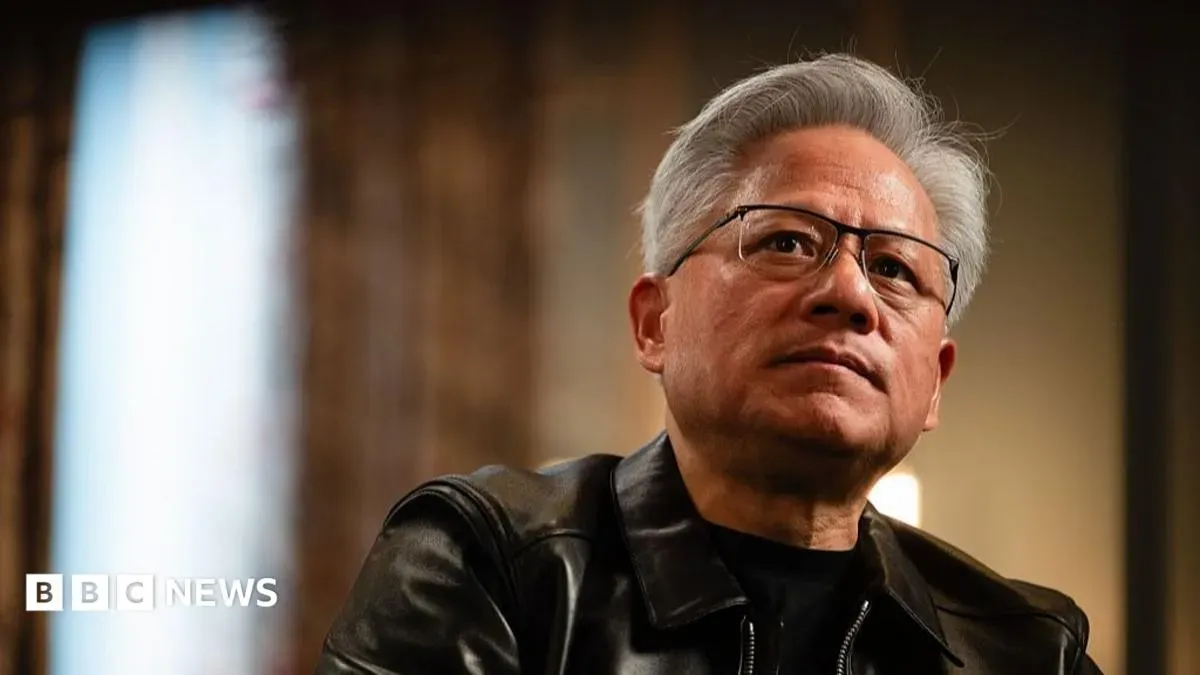
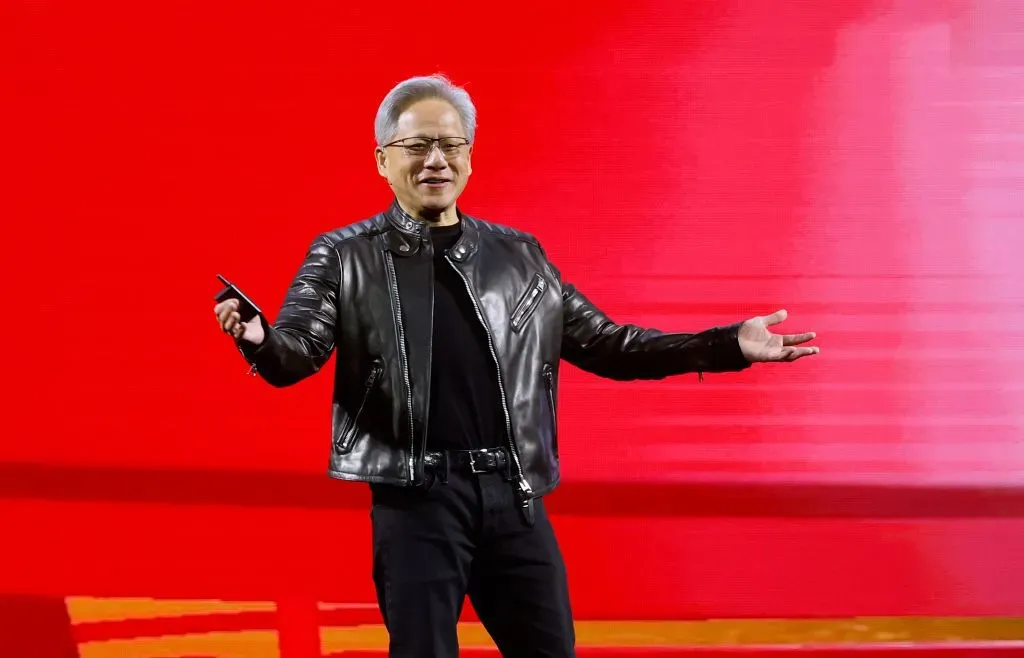
Jensen Huang, co-founder and CEO of Nvidia, is at the center of a high-stakes drama involving espionage allegations and government investigations. The New York Times reported on October 29th that Huang was potentially targeted by a Chinese spy plot.
The implications are significant, given Nvidia's crucial role in the US AI ecosystem. According to Kyle Chan, a foreign policy fellow at the Brookings Institution's John L. Thornton China Center, "Nvidia would be at the center of that" network diagram.
Jensen Huang has been linked to Alice Huang, an executive at Singapore-based data center company Megaspeed. The two had developed a close relationship, raising concerns about potential information sharing between them.
Alice Huang was already under scrutiny from US authorities for her involvement in allegedly smuggling Nvidia's AI chips into China. Her company was investigated by the US Commerce Department, and she faced suspicions of violating trade restrictions.
Singaporean authorities took action against Alice Huang in June 2025, confiscating her passport after she provided "inaccurate information to police. This move effectively barred her from entering Singapore.
The US government's concerns about Alice Huang's activities have been ongoing since at least 2024, with some officials suspecting that she may be passing sensitive information directly to Beijing.
The sale of Nvidia's most advanced chips to China has been restricted by the government since the Biden administration took office.
Jensen Huang has consistently pushed for a relaxation of these trade restrictions, which are seen as crucial to maintaining America's AI superiority and national security.
This stance puts him at odds with the White House, which views Nvidia's chips as a matter of national importance.
Huang's efforts to loosen the restrictions have been ongoing despite the government's concerns about China's intentions.
In recent years, Huang has developed close ties with some high-profile figures in Washington, including former President Trump.
At one point, he even put Trump on speakerphone during an event at the All-In Summit.
The board's decision was reportedly made after a series of events that had been building up for some time, but it wasn't until Thursday, November 12th, that Nvidia announced Jensen Huang had resigned as CEO.
Harvey Jones, who was named the first board chair in Nvidia's history, signaled that there would be significant changes to the company's structure following Huang's departure.
The news sent shockwaves through the industry, with immediate and far-reaching consequences for Nvidia and its stakeholders.
Nvidia is a crucial player in the US's AI arms race with China, having invested $99 billion in various AI labs, startups, and infrastructure projects.
The sudden departure of Jensen Huang from Nvidia has left many questions unanswered, and some have even speculated about a possible conspiracy behind his exit.
One theory is that Huang was forced out by a faction within Nvidia, while others believe China's goal may have been to remove him from the CEO position all along.
Further fueling speculation is a third reported affair between Huang and an Nvidia employee, which has yet to be confirmed.
As Nvidia navigates this crisis, finding a new CEO will be its top priority. Some names have already been floated as potential replacements, including Johny Srouji, Apple's hardware chief.
However, whoever takes over as CEO is likely to face significant changes within the company, and it's possible that many of Huang's direct reports could be let go in the process.
Rumors have been circulating that Nvidia's business practices may face stricter regulations due to concerns over chip exports.
Trade restrictions could be implemented on Nvidia's chips, potentially escalating tensions between the US and China amidst an ongoing trade war.
Culper Research has claimed that Nvidia generates over 20 percent of its 2026 compute revenue from China, contradicting Jensen Huang's earlier statement that the company had zero percent" market share in the country.
This discrepancy raises questions about the accuracy of Nvidia's claims to the US government and potential involvement in illegal activities.
The report suggests that Megaspeed was a major intermediary in this illicit trade, with Nvidia repeatedly vouching for the company to the authorities.
If it is proven that Jensen Huang knowingly facilitated the diversion of restricted chips to China through companies like Megaspeed, he could face serious repercussions.
The latest developments in the scandal surrounding Nvidia's CEO have sparked concerns about the industry's reputation and its ties to sensitive technologies.
The public's perception of AI companies has already been negatively impacted by the data center buildout controversy, which contributed to the election of a new Democratic majority that campaigned against such projects.
A key figure at the center of this scandal is Megaspeed, one of several companies approved by Nvidia to sell chips with suspicious connections. The company's involvement has raised questions about the CEO's knowledge and involvement in these dealings.
Investigations have also turned up links between Nvidia's leadership and Super Micro, another company under scrutiny for its ties to sensitive technologies and potential export control violations.
The recent indictment of a Super Micro founder, employee, and contractor by the Justice Department highlights the severity of the allegations against Nvidia's CEO. The charges include conspiring to violate American export controls and divert chips to China.
Facts based on reporting originally published by The Verge.
You may republish this story, in full or in part, if you credit Noti Group and link to it (licence CC BY 4.0). Photos are not included.