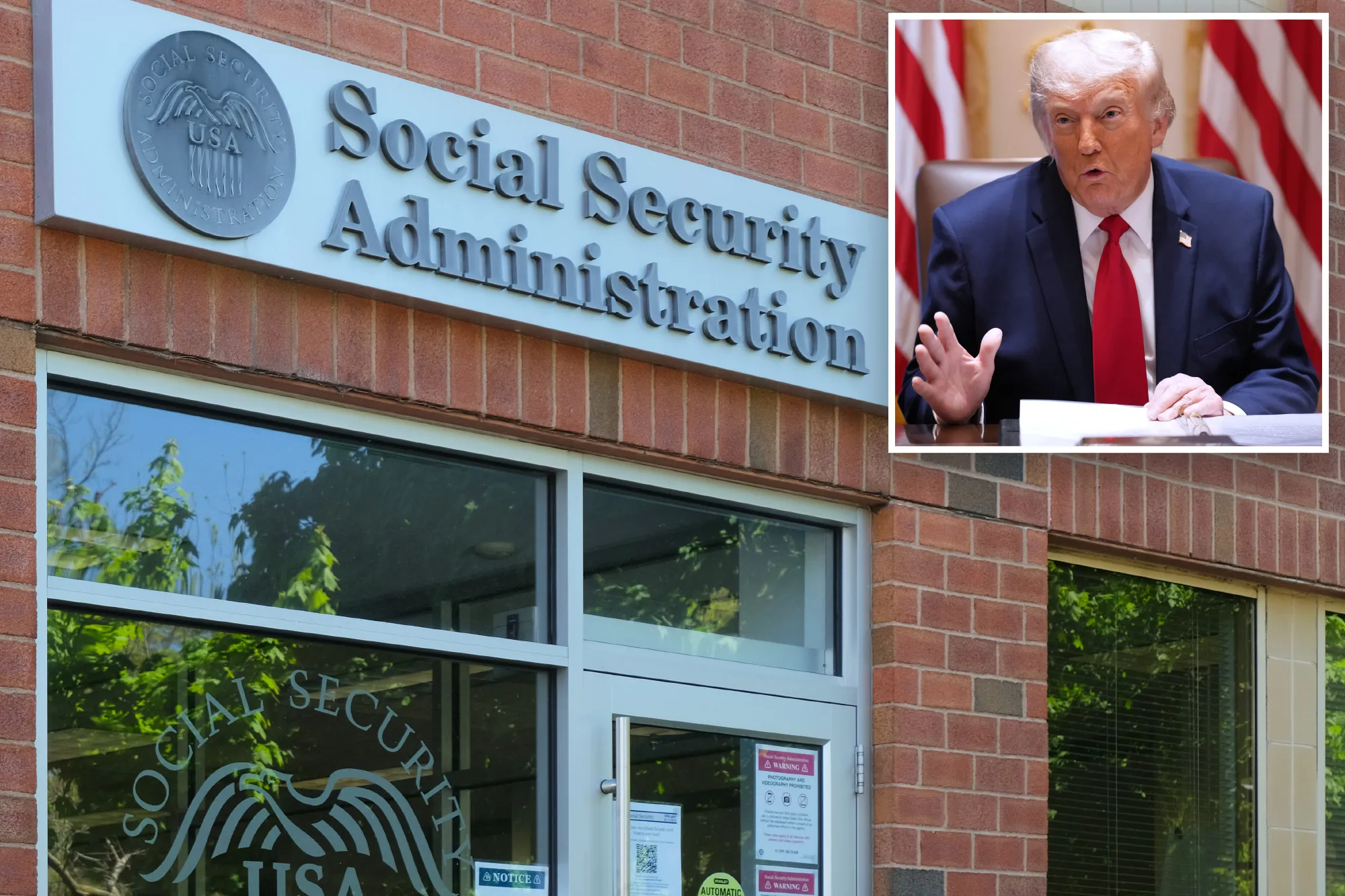
The Social Security Administration has eliminated more than 7,100 jobs since last year, according to reports — the largest workforce reduction in the agency’s history, which came as part of a Trump administration overhaul.
The cuts, which reduced the agency’s workforce by more than 13%, came alongside office consolidations, expanded use of artificial intelligence tools and a push to move more services online.
The shift at the Social Security Administration came as the White House laid off thousands of workers across the federal government in a bid to cut red tape.
But at the SSA, there have been longer delays, mounting confusion and growing barriers for some of the most vulnerable benefit recipients, according to a report published by the American Association of People with Disabilities and other organizations.
“We just have so many cases that are stuck in purgatory because they don’t have enough workers to work them,” a Kansas City-based paralegal told researchers. “They don’t have enough workers to answer the phone to tell me what’s happening to them.”
For the March report, researchers from California State University, Sacramento, Binghamton University and the University of Wisconsin-Madison examined the fallout from the agency’s workforce reductions and operational changes during the second Trump administration.
While eligibility rules have not formally changed, researchers found evidence that access to benefits has become more difficult.
Still, advocates interviewed for the report described overloaded phone lines, missing paperwork, appointment bottlenecks and growing reliance on automated systems that often failed to resolve problems.
The researchers interviewed 52 benefits reps from 32 nonprofit organizations that collectively assist more than 8,000 people each year seeking Social Security disability benefits.
Several said experienced SSA employees who once helped untangle difficult cases had left during the workforce reductions, taking decades of institutional knowledge with them.
Others reported encountering AI-powered chatbots that could not answer basic questions, or being routed to offices unable to assist them.
Field offices have become another flashpoint, according to the report.
Although the agency previously said it would not turn away people who arrived without appointments, advocates told researchers that many offices now require appointments and reject walk-in visitors.
At the same time, applicants often struggle to schedule sessions because phone lines are overwhelmed.
“Now we can’t reach anybody at Social Security,” one benefits representative told researchers. “We can’t get through to make an appointment.”
A separate analysis by the Urban Institute found that disability-benefit applications filed during the first half of 2025 fell 7% compared with the same period a year earlier.
The SSA administers disability benefits for roughly 16 million Americans through Supplemental Security Income and Social Security Disability Insurance programs.
The agency’s shift toward online services has created obstacles for elderly applicants, homeless individuals and people with cognitive impairments who may not be able to navigate a digital application process, according to the report.
Researchers also documented fears among immigrant communities after reports surfaced that some Social Security employees were instructed to share appointment data with authorities.
Several advocates said they were no longer sure how to advise immigrant clients about the risks associated with visiting Social Security offices.
The Post has sought comment from the SSA and the White House.
[Notigroup Newsroom in collaboration with other media outlets, with information from the following sources]