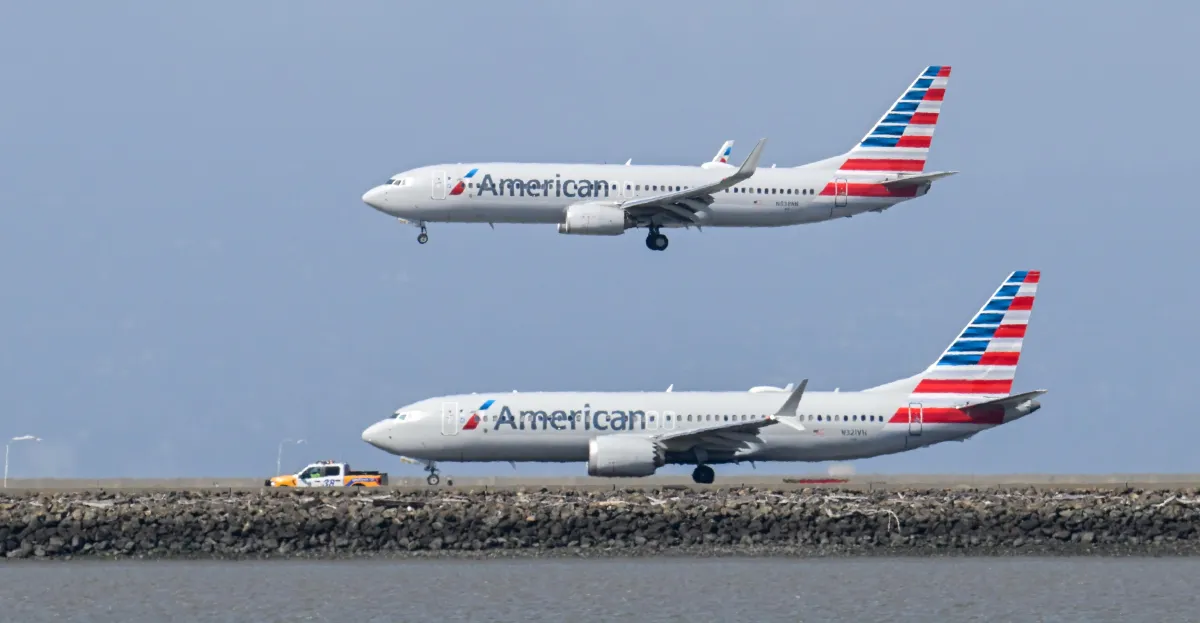
American says the deployment will start in the first quarter of 2027, and will span more than 500 aircraft, including its new A321XLR and A321neo planes from Airbus. Starlink will join Viastat and SES (previously known as Intelstat) as among the airline’s Wi-Fi providers.
American is the latest air carrier to turn to Elon Musk’s Starlink for its Wi-Fi needs. Others include United Airlines, Southwest Airlines, Lufthansa Group, British Airways, Qatar Airways, Alaska Airlines, and Hawaiian Airlines. Meanwhile, Delta Air Lines recently struck a deal with Amazon Leo for Wi-Fi connectivity.
Airlines are scrambling to make deals with satellite internet providers in the hopes of improving the traditionally dismal connectivity offerings on flights. Wi-Fi that relies on low-earth orbit satellites, like Starlink, tend to offer lower latency thanks to the shorter distance the signal has to travel as compared to satellites in geostationary orbit. Viasat uses geostationary satellites, while SES uses multi-orbit, low-earth orbit, and geostationary satellites.
“As a premium global airline, we are continuously seeking out world-class partners like Starlink to deliver what our customers need and want,” American Airlines Chief Customer Officer Heather Garboden said in a statement. “The addition of Starlink solidifies American as a leading airline in keeping passengers connected in flight.”
SpaceX’s recent IPO filing revealed that Starlink is the financial engine of the company, generating roughly $11 billion in annual revenue and acting as its only consistently profitable division. In the filing, SpaceX says that Starlink’s global network is designed to eliminate “dead zones” and supports performance on high-latitude routes “that can be challenging for traditional providers.”
But while select video content and Spotify can help pass the time, nothing compares to just being able to use the internet on your own device.
[Notigroup Newsroom in collaboration with other media outlets, with information from the following sources]