“I know a bubble when I see one.”
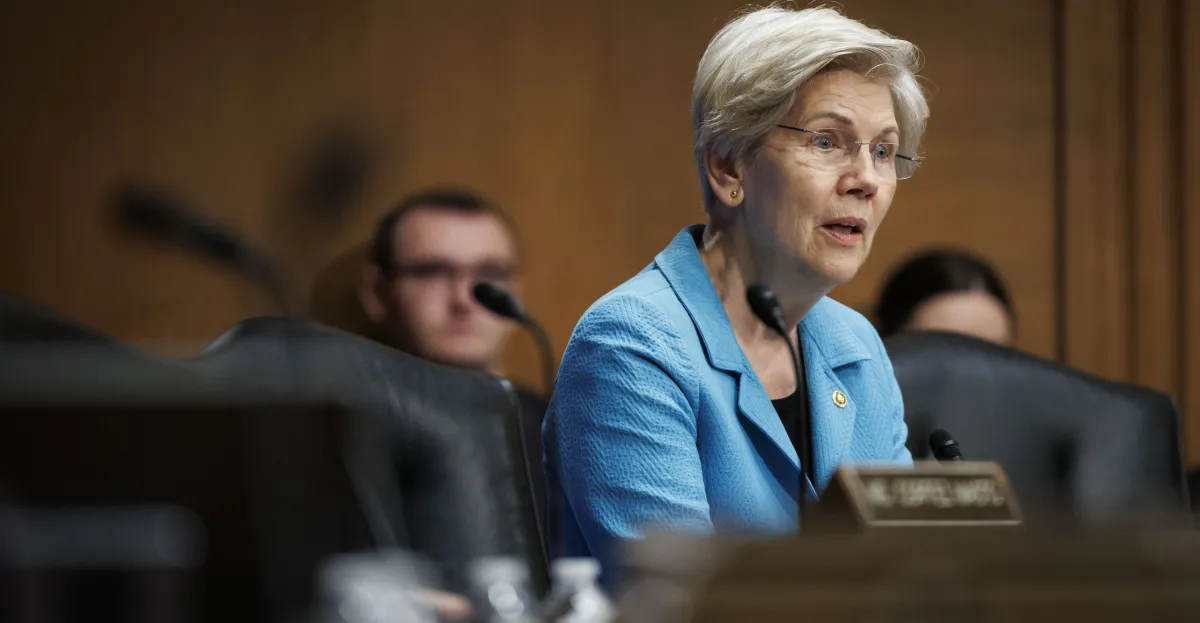
That’s what Sen. Elizabeth Warren (D-MA), who led the push to create a new consumer financial regulator in the wake of the 2008 recession, told a crowd at a Vanderbilt Policy Accelerator event in Washington, DC on Wednesday. Warren warned of what she called “striking” parallels to that crisis in the AI industry. While she believes the technology has “enormous potential,” she warned that AI companies’ massive spending and borrowing practices are creating a tinderbox and Congress should step in.
Though the AI industry has grown rapidly, Warren said the pace isn’t keeping up with their spending, requiring them to borrow from opaque sources like private credit funds, without the same kind of regulatory oversight that traditional banks face. “If AI companies are unable to increase revenues with lightning speed, they won’t be able to service their massive debt loads,” Warren said. “And because of shady accounting strategies, the first big stumble will have everyone running for the exits, potentially triggering destabilizing losses in the financial sector and another 2008-style financial crisis.”
The AI companies have financed themselves in a way that ties their survival to many other sources: local banks, insurance funds, pension funds. Warren compares it to someone scaling a mountain and tying a rope around their waist that’s connected to many different places — if they fall, everything topples. The solution, according to Warren? “Cut the rope. No rope for AI.”
She compared her proposal to the Glass-Steagall Act, which separated more risky investments from commercial banking. Warren also wants a new digital regulator to take the lead on antitrust, privacy, and consumer protection enforcement, and for Congress to refuse to bail out the industry if it slips. “We cannot overstate the importance of accountability,” she said.
[Notigroup Newsroom in collaboration with other media outlets, with information from the following sources]