The Mac reached a series of low points in the Tim Cook era: the fiasco of the butterfly keyboard, the clunky transition to USB-C, the underutilized potential of the Touch Bar, and the occasionally lackluster Intel chip performance. For a while, it seemed like Apple had shifted all of its attention, innovation, and care toward the iPad. For Mac users, it was a rough stretch of time.
And then, with the transition to Apple Silicon in 2020, everything changed. The line was revitalized with hugely capable new chips, and Apple began prioritizing usability over thinness at all costs. The Mac is now in a new golden era, and yesterday’s changes at Apple bode really well for the future.
Apple’s executive shake-up has Tim Cook making way for John Ternus to step in as the new CEO in September. Ternus is a hardware guy. He’s been at Apple for 25 years, and in that time he’s worked on the iPhone, iPad, Apple Watch, AirPods, and multiple generations of the Mac. He was positioned front and center for the recent MacBook Neo launch: quoted in its press release announcement, giving interviews about it, and taking center stage to introduce it at Apple’s New York City launch event.
Yesterday’s other key leadership change is Johny Srouji taking over Ternus’ old role, overseeing all of Apple’s hardware engineering. Srouji is best summed up as The Chip Guy. He worked on processor development and design for Intel and IBM, and joined Apple in 2008 to build its in-house chip team, starting with the A4 chip for the original iPad and the iPhone 4. He took his team from about 50 engineers to the thousands that it is today. He’s become one of the most celebrated chip designers on the planet and was rumored to at times be in the running for Intel’s CEO job. Srouji understood that with the right architecture, Apple chips could work within the constraints of a phone and then be scaled up to the iPad and eventually the Mac, and in doing so redefined the levels of performance we expect from a modern computer.
Srouji’s promotion here might be the biggest tell for predicting how Apple is thinking. It’s a safe bet that Apple will continue to prioritize the performance and efficiency of its Macs, as the company is elevating the person who set this trajectory in the first place.
If you’ve seen Srouji present during Apple’s scripted keynote presentations, you’ve likely witnessed him getting a little animated as he talks about Apple’s M-series chips and their specifications. Chip stuff can make the average person nod off, but Srouji made it sound compelling. Even in a world of carefully scripted, prerecorded Apple events (bring back the live keynotes, Ternus), Srouji’s portions have always stood out — unlabeled charts notwithstanding.
As nice as modern MacBooks have gotten — the screens, the trackpads, the speakers, etc. — the core of what makes them exceptional has been the performance and battery life stemming from the M-series chips coming from Srouji’s team. Even the iPhone chips are so capable these days that they can run inside a Mac.

Until now, I’ve been concerned that Apple could take Macs in the wrong direction again. There are rumors that the upcoming MacBook Pro with an OLED touchscreen will feature a new, thinner design. I don’t want to see the MacBook Pros sacrifice their excellent performance, thermals, or battery life for the sake of thinness. The last time Apple pursued thinness at all costs was the butterfly keyboard era. That was a dark time for MacBooks, and it was a decision driven by Jony Ive, noted (and knighted) design guy.
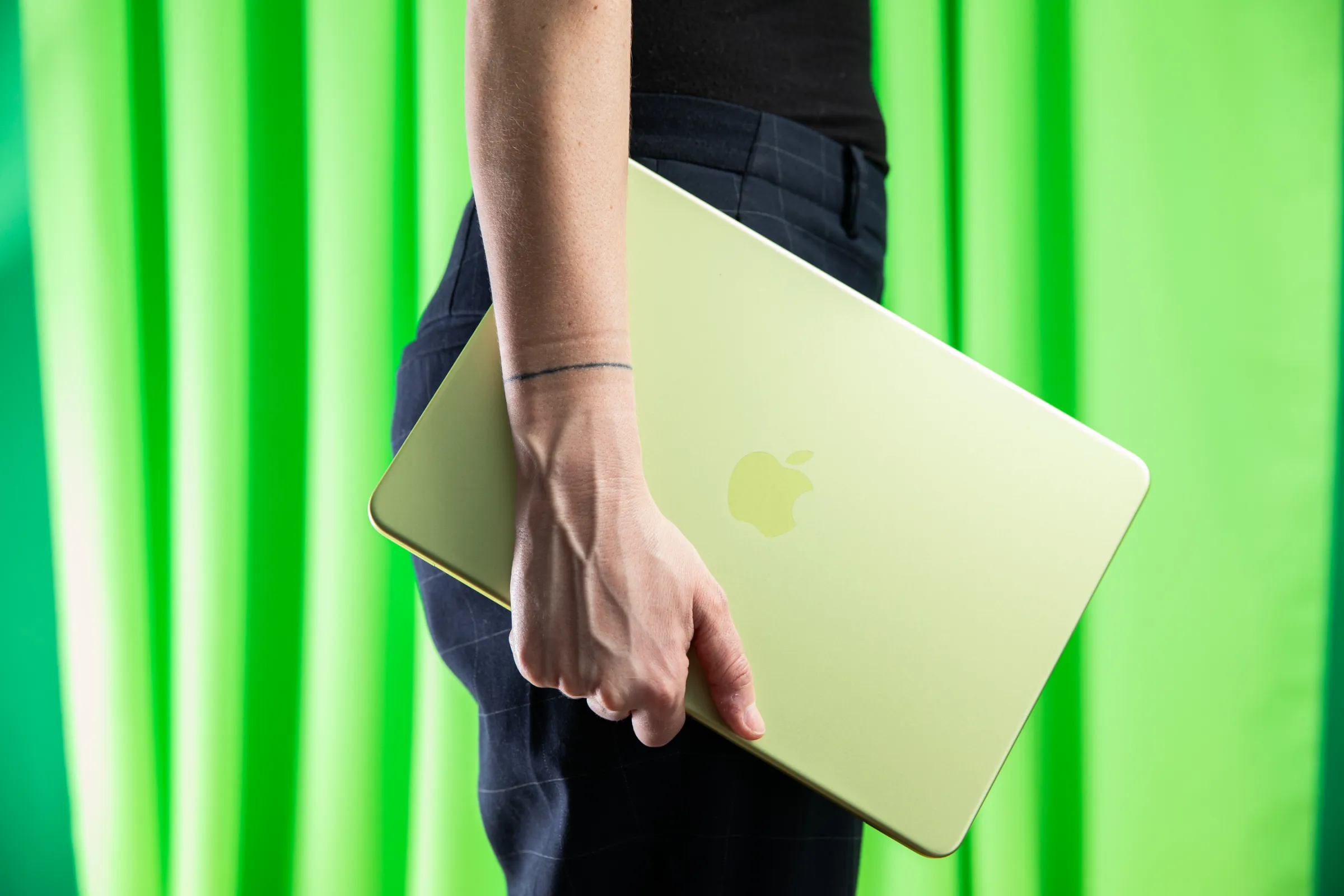
But I can’t imagine you put a chip guy in charge just to make performance sacrifices. So I’m remaining hopeful Apple won’t be repeating mistakes. It could have done that with the MacBook Neo by basically remaking the 12-inch MacBook that only had a single port and was ultra-ultra-thin, but it didn’t. Instead, the Neo weighs as much as a MacBook Air and is even a little thicker. Apple certainly could have gone thinner, but instead it made its “most repairable MacBook in 14 years,” according to iFixit. Phew.
Apple is bound to still botch some things in upcoming Macs. After all, CEO-in-waiting John Ternus is partly to blame for plaguing us with butterfly keyboards and the Touch Bar. And while Johny Srouji’s success with Apple’s chips led to the recent Mac renaissance, there’s going to be a lot more for him to tackle and consider across all of Apple’s products. And that’s just speaking of the hardware. The software is still a whole other beast, and the messiness that is Liquid Glass proves it needs more taming.
But if I had to choose someone to succeed Tim Cook, the supply chain guy, I’d choose a hardware guy or a chip guy. So now, with both of them taking their respective center stages, I’m inclined to believe that the Mac will continue to be one of Apple’s biggest bright spots.
[Notigroup Newsroom in collaboration with other media outlets, with information from the following sources]