Restaurant owners are debating whether to charge patrons as much as $34 for a plate of chicken wings or to scrap items from the menu altogether as inflation continues to surge nationwide, according to a report.
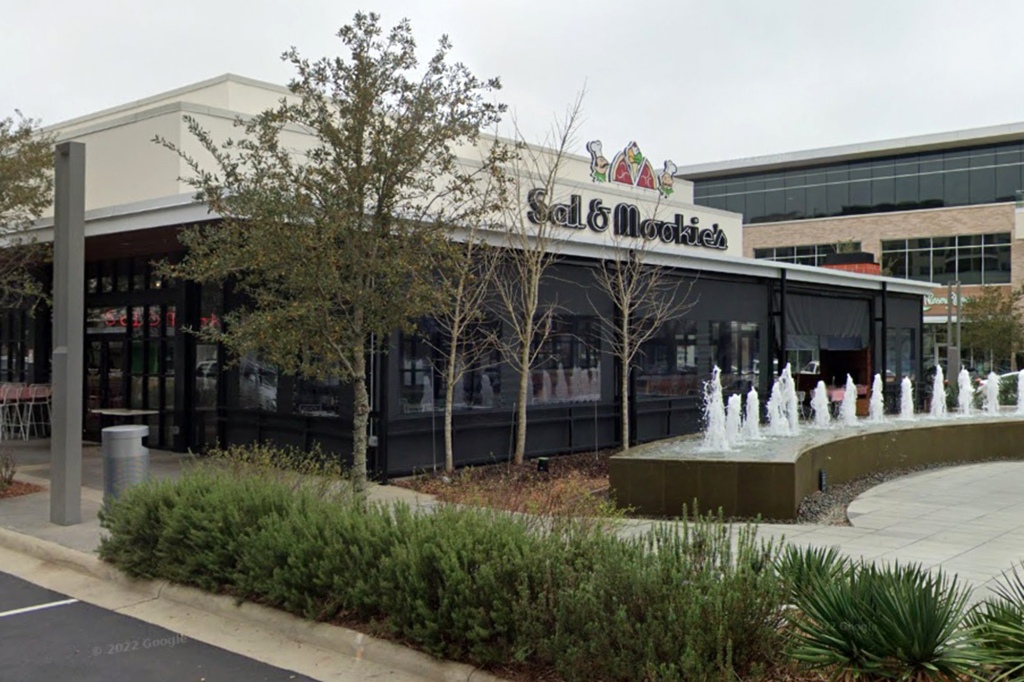
Jeff Good, the co-founder of three restaurants in Jackson, Mississippi, runs a pizzeria called Sal and Mookie’s which offers a 15-piece order of chicken wings.
Before the coronavirus pandemic, diners could order the dish for $13.95.
Now the item is listed on the menu for $27.95, though Good told Bloomberg News that the “real cost” is closer to around $34.
“We have never, ever seen anything like what we’re seeing right now,” Good said.
He told Bloomberg that a year-and-a-half ago, he would buy a 40-pound box of chicken wings for around $85. Now the price has nearly doubled to $150.
Good attributed the surging price to the higher costs for ingredients such as cooking oil and flour, the price of which has also doubled in the last few months.
A gallon of milk costs 25% more today than it did before the pandemic while retail bacon now costs 35% more.
To make matters worse, labor costs have also gone up — as have the price of services. In order to maintain an already-thin profit margin, Good has had to hike menu prices.
The National Restaurant Association says that the average menu prices in April were up 7.2% compared to a year ago — the largest 12-month gain since 1981.
Food inflation has reached record levels. According to federal data, consumer prices for food climbed 9.4% in April compared to April of last year — the most since 1981.
The price of chicken, fresh seafood, and baby food have also been increasing at record levels.
In the short term, it is likely inflation will remain high and prices will continue to climb mainly due to several factors.
Farmers are facing fertilizer shortages as well as catastrophic droughts caused by dry weather. An avian flu outbreak in the Midwest also led to a culling of 10% of the nation’s egg-laying hens.

There is also the ongoing war in Ukraine, which has disrupted wheat exports globally, and the surging cost of fuel.
The Federal Reserve has stepped up its fight against rampant price increases, lifting its benchmark short-term interest rate by a half-point last week to a range of 0.75% and 1%. That increase is double its usual quarter-point hike.
Fed Chair Jerome Powell also signaled the Fed will likely hike rates by a half-point in June and July.
Several Fed officials have said they would like to get its benchmark rate to roughly 2.5% by the end of this year, which would constitute the fastest pace of hikes in 33 years.
The prospect of higher interest rates and the potential that they could push the economy into recession has badly rattled financial markets this month.
[Written in collaboration with other media outlets with information from the following sources]